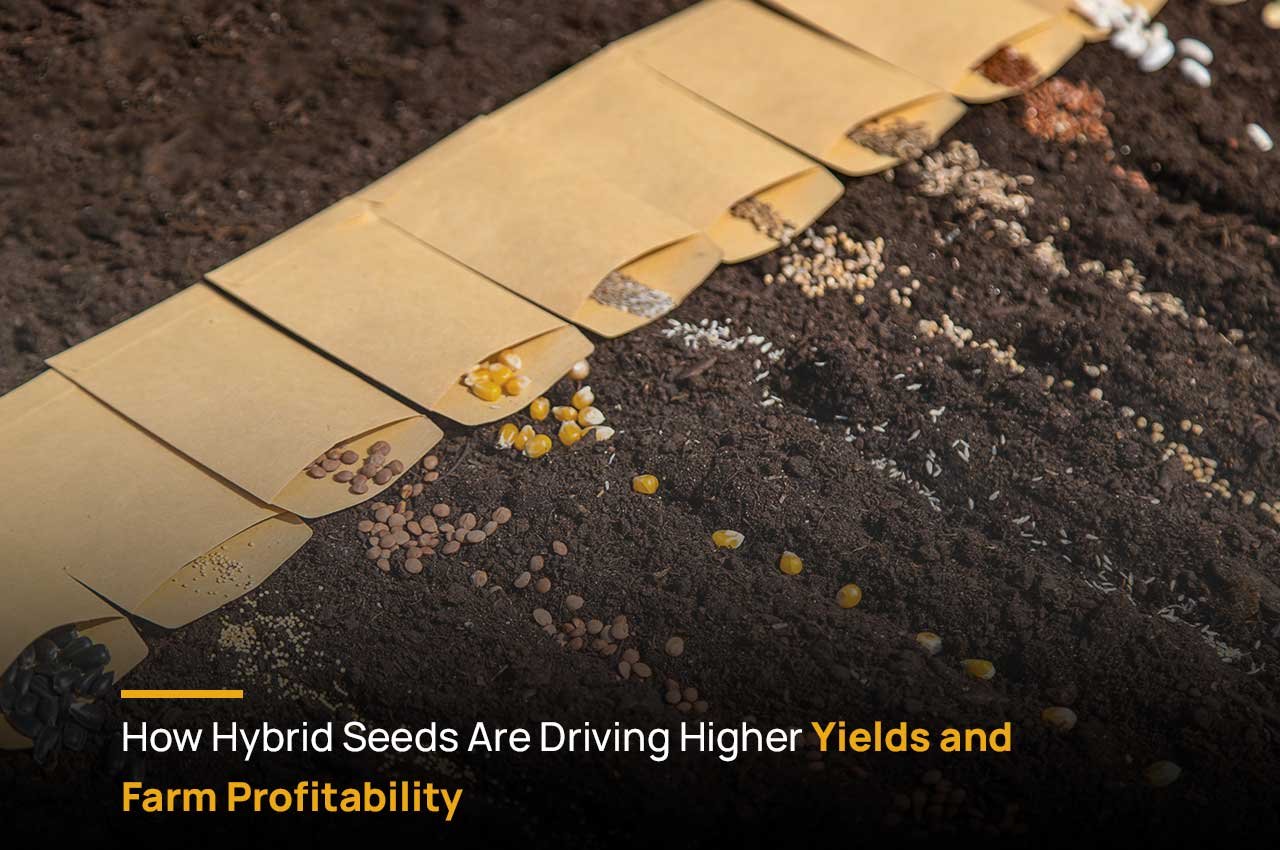
 Agriculture is the backbone of the Indian economy, supporting millions of farmers and feeding over a billion people. In the relentless pursuit of improving productivity and profitability, hybrid seeds have emerged as a transformative force in modern farming. These specially bred seeds promise better yields, greater resilience and improved economic returns, positioning themselves not just as a farming input, but as a pathway to sustainable growth for the agricultural sector.
What Are Hybrid Seeds?
At its core, hybrid seeds are the result of carefully controlled cross-breeding between two genetically distinct parent plants. The objective is to combine the best traits of both parents , traits like higher productivity, disease resistance, uniform growth and adaptability, into a single seed variety. These enhanced characteristics are collectively referred to as hybrid vigour or heterosis.
Unlike traditional open-pollinated seeds, the offspring from these seeds deliver predictable performance because they are developed through scientific breeding programs. This systematic approach ensures that farmers receive seeds capable of thriving under various agronomic conditions and delivering consistent results.
Do Hybrid Seeds Increase Yield?
One of the most important benefits of hybrid seeds is the capacity to significantly increase crop yield. Several field reports and agricultural data show that this particular varieties can outperform traditional seeds by producing more output per acre. This is achieved through traits like efficient nutrient uptake, robust root systems, and higher tillering or branching, all engineered into the plant’s genetic makeup.
Higher yields mean that the same plot of land can produce more produce, whether it’s paddy, maize, vegetables, or oilseeds. For farmers operating with limited land resources, a reality in many parts of India, these seeds offer a tangible way to boost production without needing additional acreage.
Alongside yield gains,these seeds often deliver uniform growth and quality, which simplifies harvesting and helps farmers fetch better market prices due to consistent size, colour and maturity across the crop.
Benefits of Hybrid Seeds
1. Boosted Productivity
Hybrid seeds are bred specifically to maximise output. Unlike traditional seeds that depend solely on environmental performance, these are designed to make better use of soil nutrients and perform reliably from sowing to harvest. This translates into more grain, vegetables, fruits, or fibres harvested per unit of land.
2. Enhanced Resistance to Stress and Pests
Many varieties carry built-in resistance to common diseases and pests. This reduces reliance on chemical pesticides, lowering input costs and supporting more sustainable farming practices. The improved resilience also helps crops withstand adverse weather events, making yields more predictable.
3. Uniformity and Quality
With These seeds, plants tend to grow uniformly, maturing at the same time and with consistent physical traits. This uniformity improves harvest efficiency and helps farmers obtain higher prices in the market where bulk buyers and processors prefer predictable quality.
4. Shorter Growing Cycles
Many hybrids are developed to mature faster than conventional varieties. Faster maturity means a farmer can plant multiple crops in a year, increasing overall output and revenue potential.
The Rise of Hybrid Seed Manufacturers
The growing demand for hybrid seeds has spurred innovation and competitiveness among seed producers. Companies across India are investing in research, development, and distribution to supply seeds tailored to local agro-climatic zones.
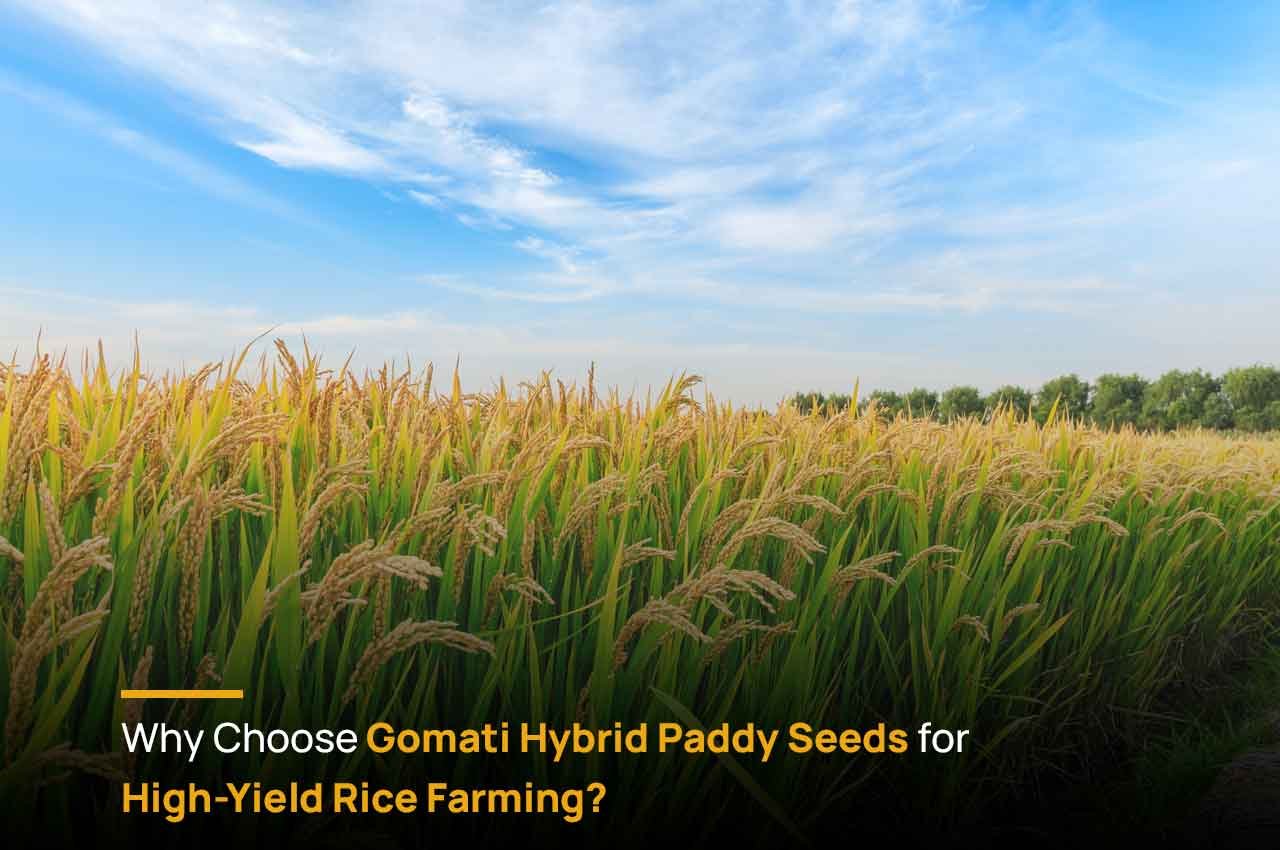
One notable player in this space is Yashoda Hybrid Seeds Pvt. Ltd., a manufacturer with decades of experience in developing high-quality hybrid seeds for major crops. Founded in the mid-1990s, Yashoda has grown from a small venture into a trusted name serving thousands of farmers, offering these varieties for field crops like paddy, maize, jowar, and vegetables designed for India’s diverse farming environments.
Our commitment to continuous research, quality seed testing and farmer support underscores the important role that seed manufacturers play in bringing hybrid technology from labs to fields. As a reliable seed supplier, we ensure that farmers have access to these types of seeds that deliver on both performance and profitability.
Future of Farming with Hybrid Seeds
Looking ahead, the future of farming is tightly linked with hybrid seed innovation. As global populations rise and resource constraints tighten, farmers will increasingly rely on scientific solutions like hybrid seeds to produce more food with less land and fewer inputs.
Advancements in genetic science, better understanding of local growing conditions, and improved supply chains will further enhance the capabilities of these seeds. Adoption of precision agriculture, combined with seeds that deliver tailored performance, could make farms more efficient and profitable than ever before.
However, it’s also important to balance this modern approach with genetic diversity and sustainability considerations, ensuring hybrid adoption doesn’t inadvertently erode crop variety over time.
Conclusion
Benefits of Hybrid seeds extend beyond just higher crop yields. They help farmers manage risks, improve produce quality, and unlock greater profitability. With companies like Yashoda driving research and delivering dependable varieties, hybrid seeds are set to play a pivotal role in shaping the future of farming, making agriculture more productive, resilient, and rewarding for farmers across India.
FAQs
1. What are hybrid seeds?
These seeds are scientifically cross-bred seeds developed from two distinct parent plants to combine superior traits like higher yield, disease resistance, and uniform growth.
2. Do hybrid seeds increase yield?
Yes, these seeds are designed for improved productivity, offering higher output per acre through better nutrient efficiency, stronger roots, and enhanced crop performance.
3. What are the main benefits of hybrid seeds for farmers?
Benefits of hybrid seeds include increased yield, better quality produce, resistance to pests and diseases, uniform maturity, and improved profitability for farmers.
4. Are hybrid seeds suitable for all types of crops?
These seeds are widely available for crops like maize, paddy, vegetables, and oilseeds, but suitability depends on climate, soil conditions, and farming practices.
5. Why do farmers buy hybrid seeds every season?
Hybrid seeds do not retain the same performance in the next generation, so farmers purchase fresh seeds each season to maintain yield and quality.
6. How are companies like Yashoda contributing to the future of farming?
Manufacturers like Yashoda develop region-specific varieties, conduct quality testing, and support farmers with high-performance seeds for sustainable agricultural growth.
 Blog
Blog
 login
login
 Cart
Cart 

 Field Crop
 Bengal Gram Seeds Hybrid Bajra Seeds Hybrid Cotton Seeds Hybrid Jowar Seeds Hybrid Maize Seeds Hybrid Paddy Seeds Notified Paddy Seeds Research Black Gram Seeds Research Green Seeds Research Paddy Seeds Research Tur Seeds Research Wheat Seeds Paddy Seeds Groundnut Seeds Notified Soybean Seeds Research Cowpea Seeds Research Soybean Seeds